Now let’s cook
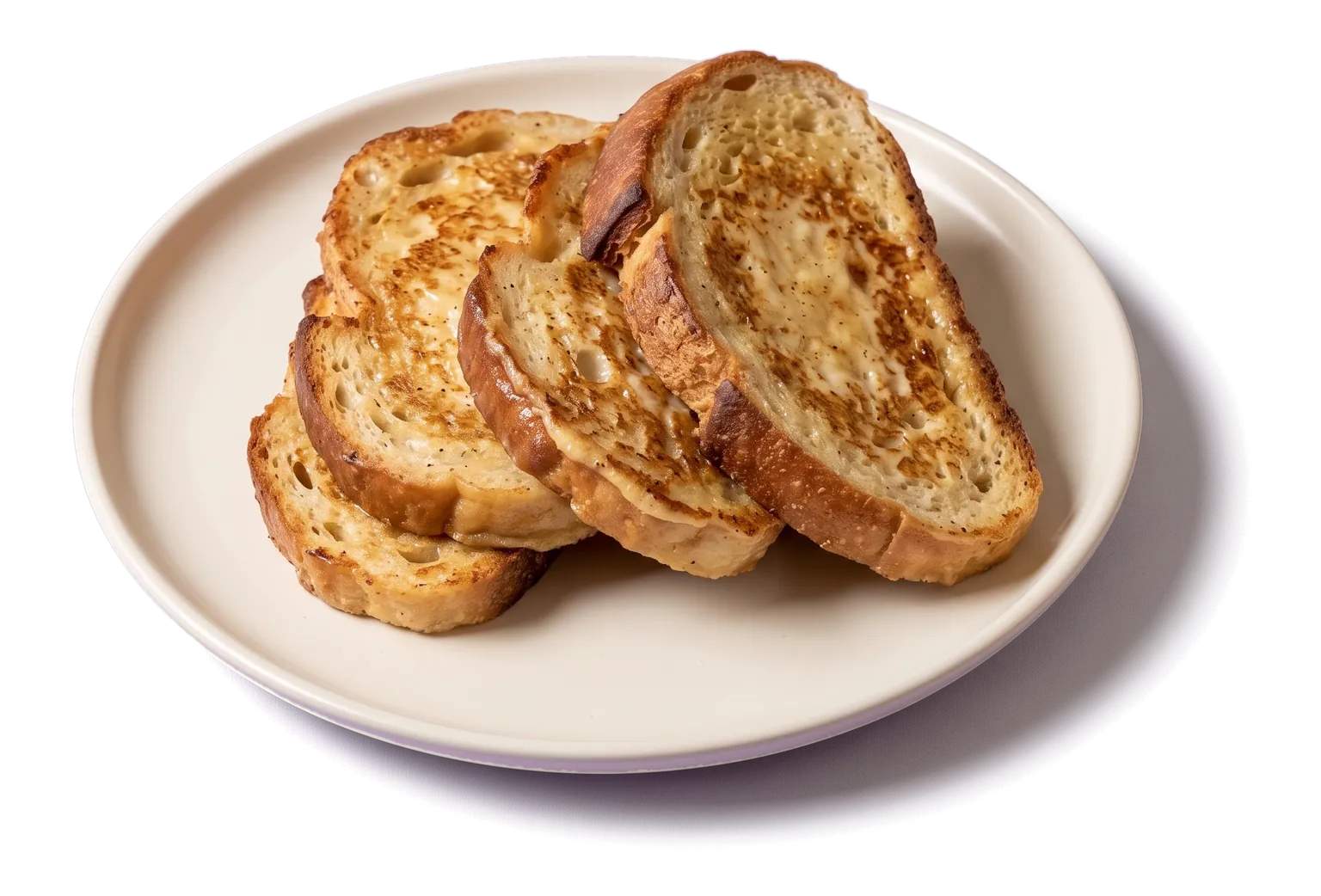
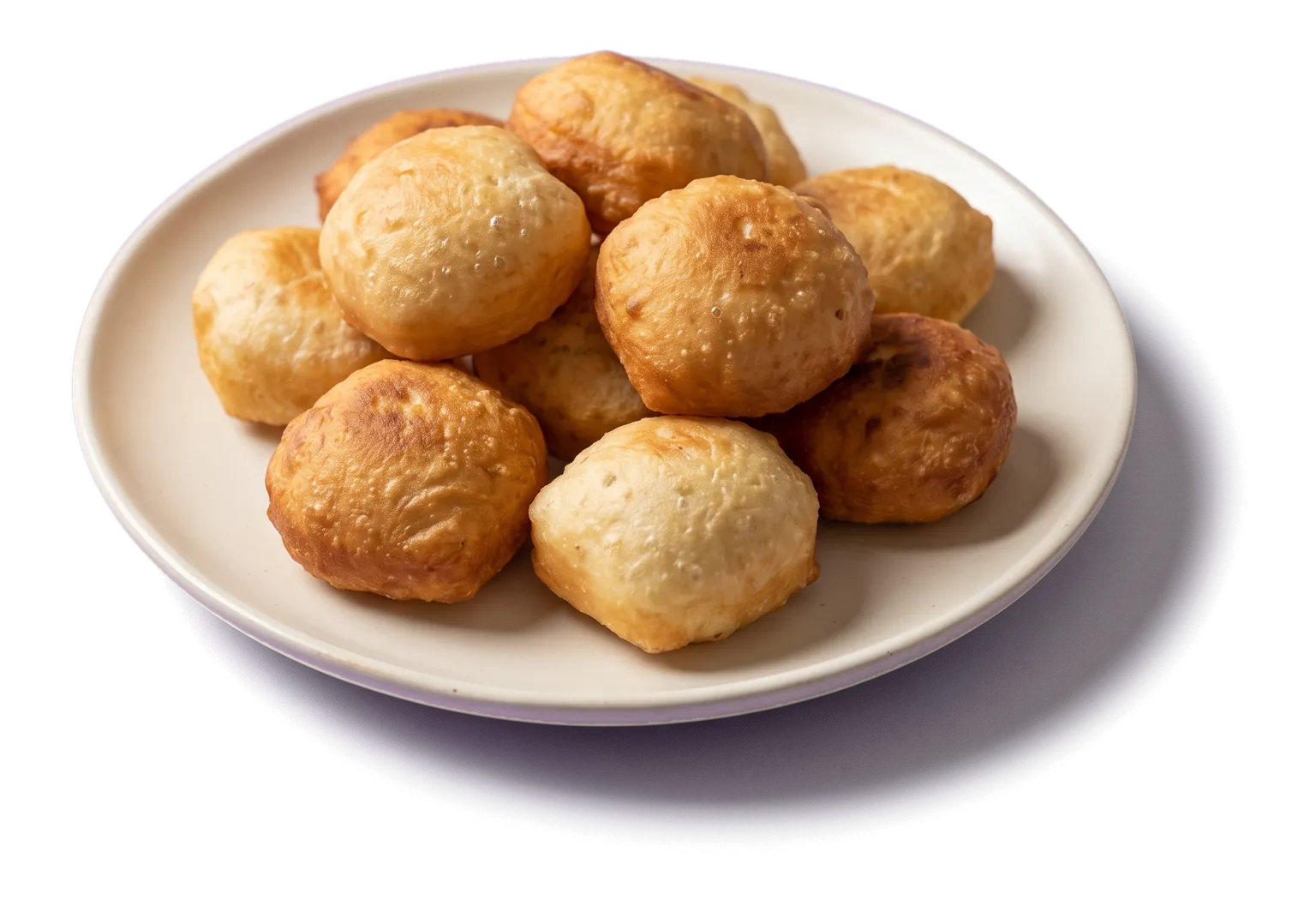
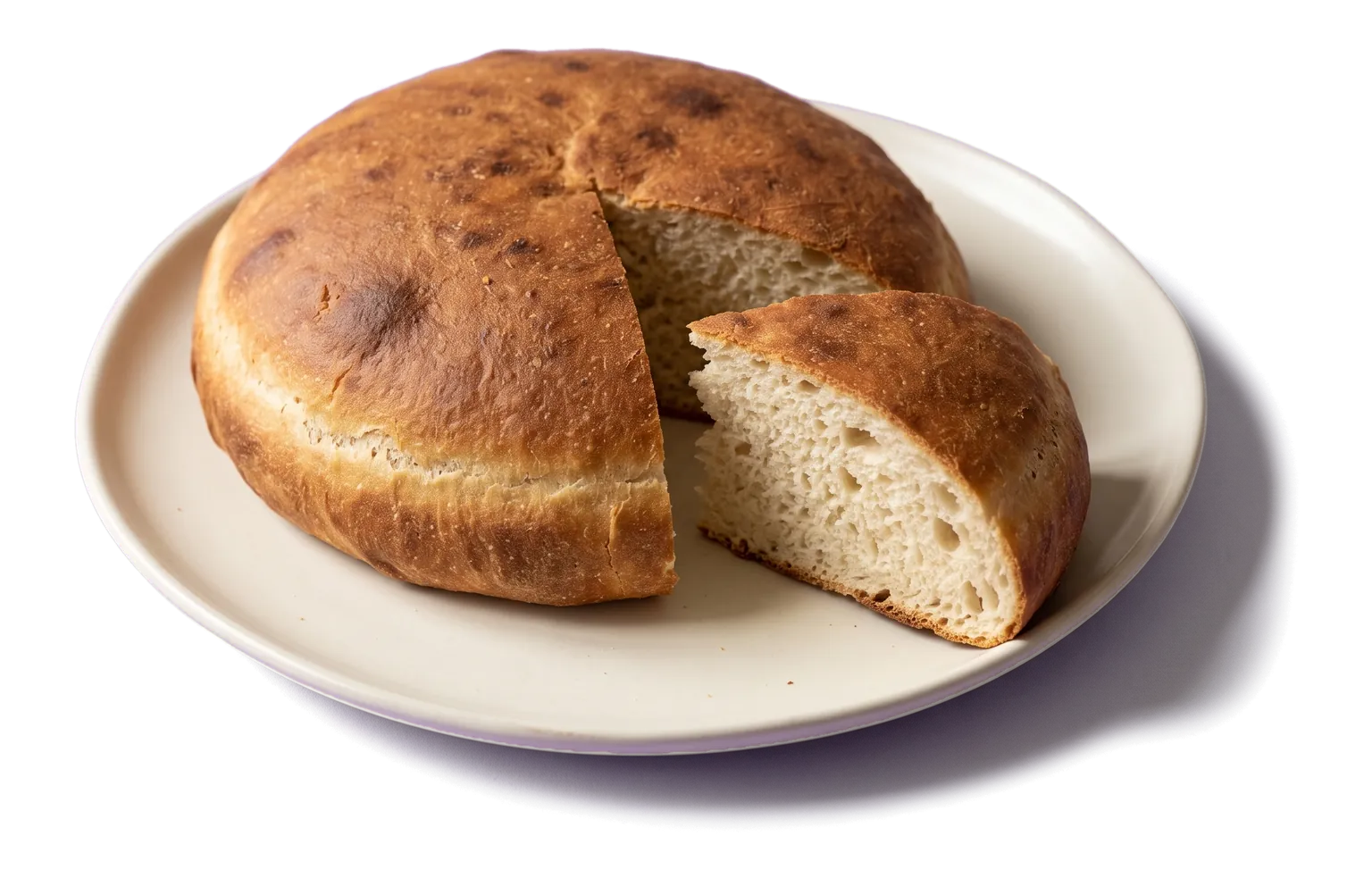
Taba nan. This bread needs no tin, just two frying pans: the dough goes into one, and the other goes on top.
Ingredients
- 250 ml waterplain drinking water
- 1 tbsp dry yeastbaker’s yeast, dried
- 500 g plain wheat flourwhite wheat flour, called all-purpose in the US
- 1½ tsp fine saltordinary table salt
- 2 tsp sunflower oila neutral-tasting oil
- 40 g butter (optional)made from cow’s milk
Method
Warm the water slightly. Pour a little of it into a bowl and stir in the yeast with a tablespoon of the flour. Leave in a warm place for 15 minutes, until the yeast foams.
Sift the flour. Add the rest of the water and the salt to the starter, then knead a dough, working in the flour a little at a time. Once the dough is soft and no longer sticks to your hands, stop adding flour, even if some is left.
Put the dough in a large saucepan, cover with a lid and leave in a warm place. When it has doubled in size, after about an hour, knock it back and leave it to rise for another 40 minutes. The dough is ready when it no longer sinks as you knock it back.
Divide the dough into two pieces and shape each into a ball. Grease a heavy ovenproof frying pan with oil and put one ball in it: the dough should fill two thirds of the pan. Cover the second ball with cling film. Leave the dough to rise for 20–25 minutes, and meanwhile heat the oven to 200–220 °C.
Cover the pan with a second frying pan of the same size and bake for 20–25 minutes, until the bread is brown. Bake the second loaf the same way.
Serve the taba nan hot or cooled. If you like, lay thin slices of butter on the hot bread.
Where this dish comes from
Taba nan is a bread of Kazakh cuisine. Its name comes from taba, the frying pan: the bread is baked between two of them. The pans with the dough used to be buried in the hot ashes of a fire or set in the heat of a stove. The dough can be yeasted or unleavened, mixed with water, warm milk or ayran. Round breads like this are close to the Uzbek non in shape and ingredients. Hot taba nan is served with butter or sour cream, with kaymak (thick cream) alongside.